Preparedness Articles › Individuals With Access and Functional Needs
Individuals With Access and Functional Needs
Individuals with Access & Functional Needs
Preparing Makes Sense for People with Disabilities and Other Functional Needs
This article is from F.E.M.A., and is their recommendations on how to respond to, and prepare for this type of disaster. You may notice ideas given that may not work or be available in this article outline; such as phones, they may not work due to overload. Our hope is you will be able to parse this article for the ideas you feel you can use, in your area and note the ones you cannot. Remember preparedness is a state of mind where you become spatially aware and situation-ally aware looking for dangers, problems, and needs and plan accordingly. You may see some directives that may polarize you after Covid. Make your own decisions as to how far you will go in following these guidelines, knowing you are responsible for your own health and of those in your family
Preparing Makes Sense for People with Disabilities.
Each person's needs and abilities are unique, but every individual can take important steps to prepare for all kinds of emergencies and put plans in place. By evaluating your own personal needs and making an emergency plan, you can be better prepared for any situation.
A commitment to planning today will help you prepare for any emergency situation.
- Consider how a disaster might affect your individual needs.
- Plan to make it on your own, at least for a period of time. It's possible that you will not have access to a medical facility or even a drugstore.
- Identify what kind of resources you use on a daily basis and what you might do if they are limited or not available.
- Build a Emergency Kit with your unique consideration in mind. What do you need to maintain your health, safety and independence?
If you or someone close to you has a disability or other access or functional need, you may have to take additional steps to protect yourself and your family.
Find out about individual assistance that may be available in your community. Register in advance with the office of emergency services, the local fire department, other government agencies or non-profit groups. Tell them of your individual needs or those of a family member and find out what assistance, help or services can be provided.
Who are Individuals with Access & Functional Needs?
- Those with hearing difficulties may need to make special arrangements to receive emergency warnings.
- Single working parents and those with limited English proficiency may need help planning for disasters and emergencies. Community, faith-based and cultural groups may be able to help keep people informed.
- People without vehicles may need to make arrangements for transportation.
- People with special dietary needs should take precautions to have an adequate emergency food supply.
Planning
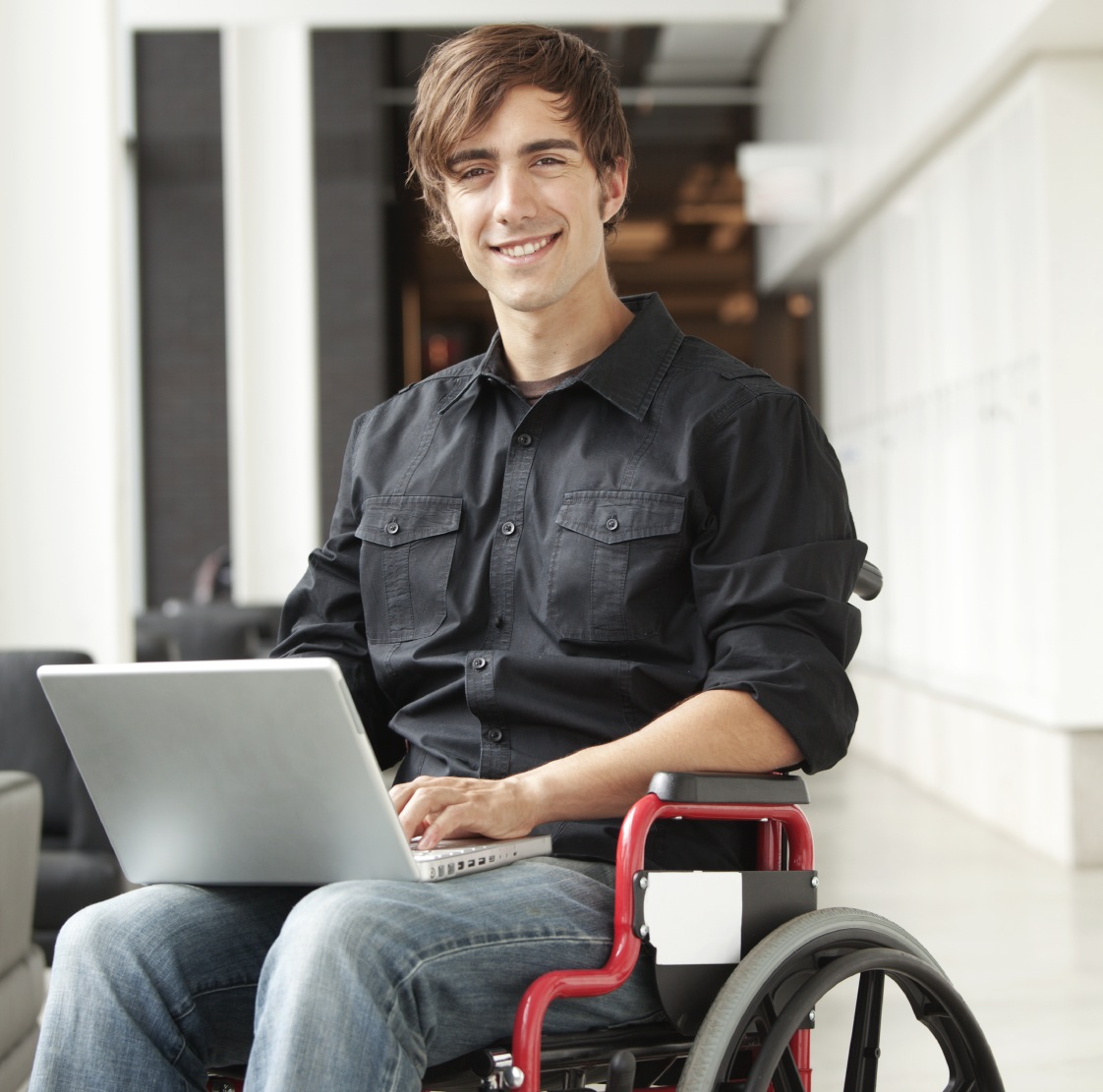
Now is the time to plan ahead for what you may need to stay safe, healthy, informed, mobile and independent during a disaster. Remember that a disaster may require sheltering at home or evacuating to an emergency shelter or other form of temporary housing.
In addition to recommended items to include in a Basic Emergency Supply's Kit, people with disabilities and other access and functional needs may wish to consider adding additional items to accommodate their particular needs.
Sign up for emergency emails and text messages from your local government alert system to get important information on your cell phone or pager, in case you are not able to easily hear or access emergency notifications when they occur.
MAINTAIN YOUR INDEPENDENCE
As you prepare, consider all the strategies, services, devices, tools and techniques you use to live with a disability on a daily basis. Keep in mind that you may need medications, durable medical equipment, consumable medical supplies, your service animal, assistive technology, communications tools, disability service providers, accessible housing, transportation and health-related items.
- Create a support network to help you plan for an emergency. Consider family, neighbors, friends, people who provide services to you, faith-based and community groups. Tell these people where you keep your emergency supplies. Give at least one member of your support network a key to your house or apartment.
- Contact your city or county government's emergency information management office and work with them to use their emergency planning resources.
- If you receive dialysis or other life sustaining medical treatment, identify the location and availability of more than one facility and work with your provider to develop your personal emergency plan.
- Show others how to operate your wheelchair or other assistive devices.
- Keep contact information for local independent living centers and other disability services organizations in a safe and easy-to-access place. If you provide any organizations or service providers with information about your functional needs and what you may require in an emergency, keep that data up to date.
- If you use in-home support services, Meals-on-Wheels, Life Alert or other support services, work with them to personalize emergency preparedness plans to meet your needs so you can keep in touch with them during and after an emergency. That contact may be your lifeline to other services in a disaster.
- Work with local transportation and disability services (e.g., Para-transit, Independent Living Centers) to plan ahead for accessible transportation if you may need that for evacuation or other reasons during a disaster.
- Develop back-up plans for personal assistance services, hospice or other forms of in-home assistance.
Keep in mind that during an emergency, you may need to explain to first responders and emergency officials that you need to evacuate and shelter with your family, service animal, caregiver or personal assistance provider so they can provide the support you need to maintain your health, safety and independence.
EMERGENCY ITEMS
- Extra eyeglasses, hearing aids if you have them or have coverage for them
- Battery chargers and extra batteries for hearing aids, motorized wheelchairs or other battery-operated medical or assistive technology devices
- Copies of medical prescriptions, doctors orders and the style and serial numbers of the support devices you use
- Medical alert tags or bracelets or written descriptions of your disability and support needs, in case you are unable to describe the situation in an emergency
- Supplies for your service animal
- Medical insurance cards, Medicare/Medicaid cards, physician contact information, list of your allergies and health history
- A list of the local non-profit or community-based organizations that know you or assist people with access and functional needs similar to yours
- A list of personal contacts, family and friends that you may need to contact in an emergency
- A laminated personal communication board, if you might need assistance with being understood
- If possible, extra medicine, oxygen, insulin, catheters or other medical supplies you use regularly
- If you use a motorized wheelchair, have a light weight manual chair available for emergencies. Know the size and weight of your wheelchair, in addition to whether or not it is collapsible, in case it has to be transported.
- Even if you do not use a computer yourself, consider putting important information onto a portable thumb drive for easy transport in an evacuation.
FINALLY VOLUNTEER
- Attend or volunteer with local emergency response groups, like C.E.R.T., Neighborhood Watch, Etc, or other organizations active in disaster assistance. Consider working with a local C.E.R.T Counsel on community emergency planning and supporting disaster education. Assist local emergency officials in learning how to integrate access and functional needs into preparedness and response activities and trainings.
- Work with local shelter planners and emergency managers to plan ahead for accessible general population sheltering in a disaster. Medical shelters are for people with acute health care needs. Most people are best served in the general population shelters along with family, friends and neighbors so it is important to pre-plan now to meet all access and functional needs requirements in a general shelter.